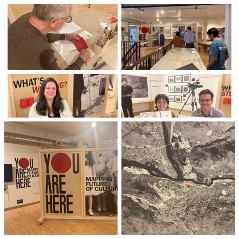
You are Here
A Research Program Funded by the Vancouver Foundation and SSHRC, and a Key Project Supported by the City of Kamloops through a Mitacs Grant and the University’s Researcher-in-Residence Initiative.
Introduction to You are Here
The You are Here project explores how cultural mapping and community-engaged research can inform the development of the City’s new Cultural Strategic Plan. Linking the RiR to city-driven project work provides an in-depth opportunity for partnership development, networking and intersectoral team building—creating real world opportunities to complement or replace more top-down public consultation methodologies (e.g., the survey, the public hearing, and the expert-led focus group), all the while affording enhanced student training opportunities and increasing participation of those with lived/living experience.
Documentaries on the You Are Here project
The Community and Cultural Research Group is thrilled to see the You Are Here Kamloops Cultural Strategic Plan nominated for the Creative City Network of Canada Impact Award.
Special thanks to the City of Kamloops, the Kamloops Museum and Archives, Tkʼemlúps te Secwépemc, Mitacs, SSHRC, our TRU faculty researchers and student research assistants, and Patricia Huntsman Culture + Communication. The collaboration emerged as a planned outcome of the Researcher-in-Residence initiative, led by the city and TRU’s Office of the Vice-President Research.


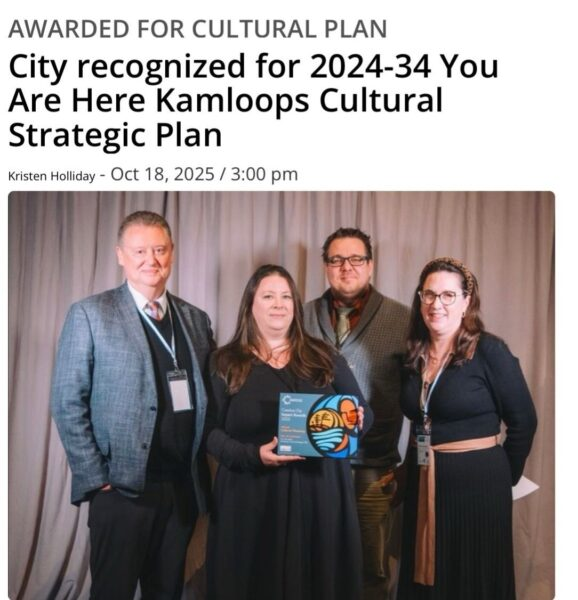
TRU partnership earns national recognition for Kamloops’ cultural strategic plan

A 10-year cultural vision for Kamloops, shaped through research and community collaboration with Thompson Rivers University (TRU), has earned national recognition.
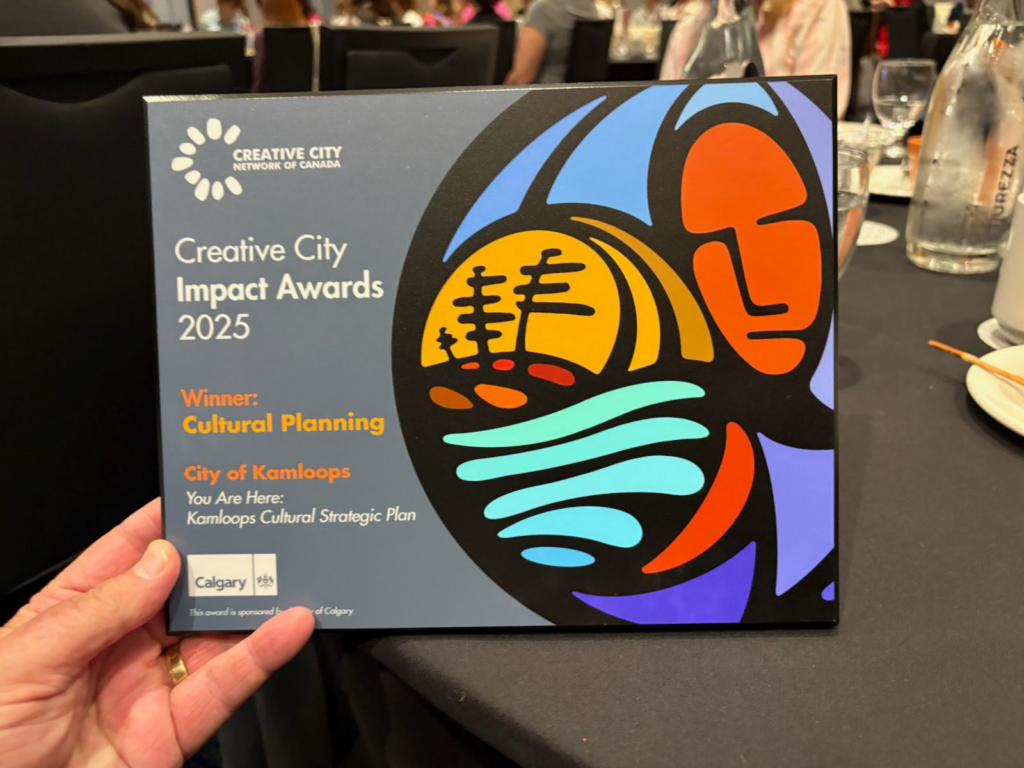
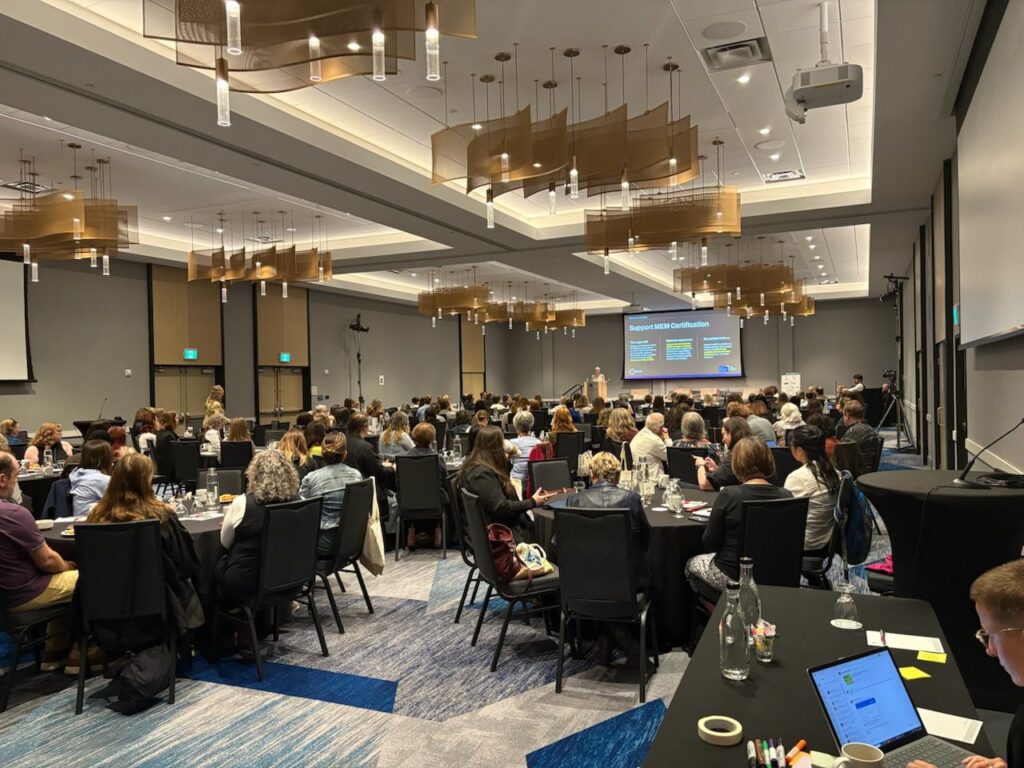
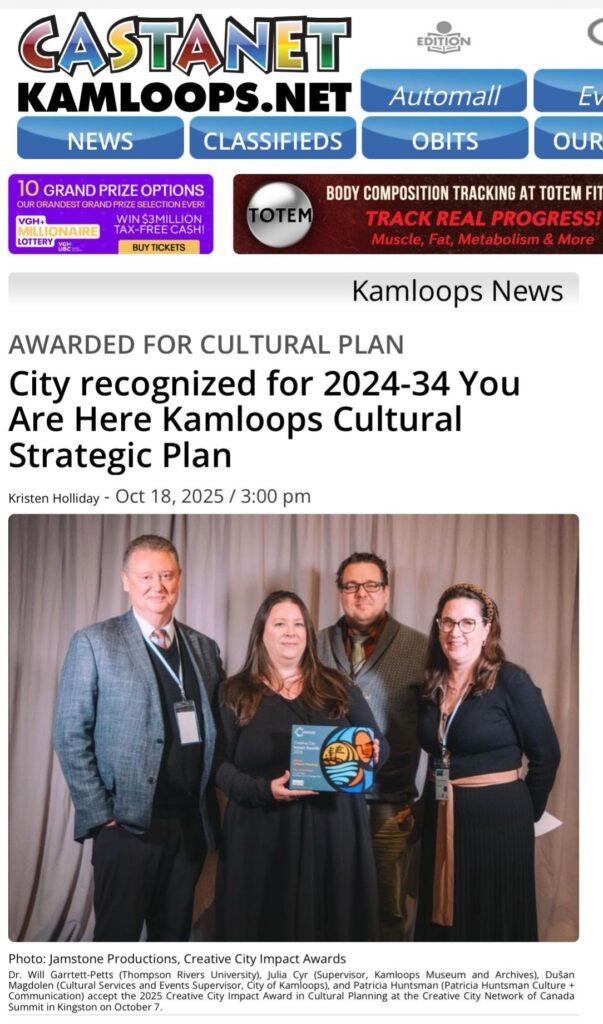
The You Are Here Kamloops Cultural Strategic Plan 2024–2034 received the 2025 Creative City Impact Award in Cultural Planning at the Creative City Network of Canada Summit in Kingston, Ont., on October 7. The award honours innovative municipal approaches to arts, culture, and heritage planning.
In particular, the recognition highlights how the City of Kamloops, working with TRU, enhanced traditional asset mapping by documenting the community’s intangible cultural assets. Through individual story maps and in-depth interviews, the team translated local experiences into rich data that informed the cultural plan.
The planning process was guided by Barbara Berger, the city’s former arts and community development manager, who was an active member of the research team prior to her recent retirement. The plan itself was co-developed through TRU’s Researcher-in-Residence (RiR) Initiative, a collaboration between the city and the university that integrates community-engaged research into civic planning.
Led by TRU’s Dr. Will Garrett-Petts, professor and interim dean of Student Development, the RiR program has supported dozens of student researchers and faculty members working with City staff on cultural mapping, housing, climate governance, and equity projects.
Among those contributing to the cultural plan was Dr. Cheryl Gladu, assistant professor at the TRU Gaglardi School of Business and Economics, who served as a postdoctoral researcher during the project’s early stages.
The planning process was guided by Barbara Berger, the city’s former arts and community development manager, who was an active member of the research team prior to her recent retirement. The plan itself was co-developed through TRU’s Researcher-in-Residence (RiR) Initiative, a collaboration between the city and the university that integrates community-engaged research into civic planning.
Led by TRU’s Dr. Will Garrett-Petts, professor and interim dean of Student Development, the RiR program has supported dozens of student researchers and faculty members working with city staff on cultural mapping, housing, climate governance, and equity projects.
Among those contributing to the cultural plan was Dr. Cheryl Gladu, assistant professor at the TRU Gaglardi School of Business and Economics, who served as a postdoctoral researcher during the project’s early stages.
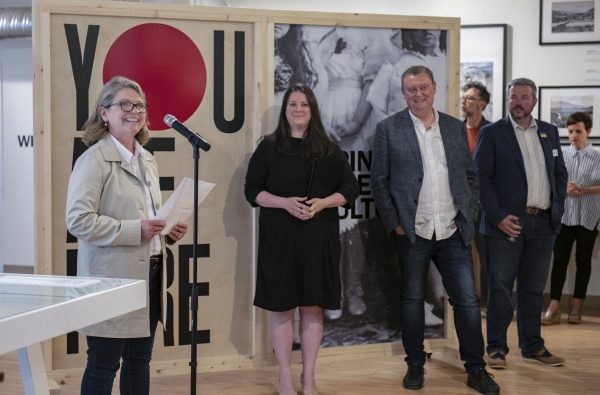
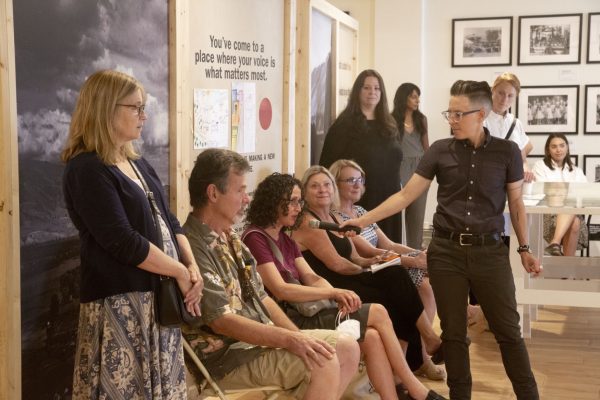
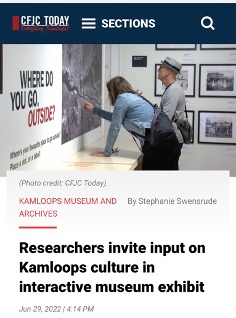
Cultural planning is about people and place and about placemaking,” said Garrett-Petts. “It is an occasion for community dialogue, one that explores identity and sense of place. Without the expertise of Dr. Gladu and the support from the city, cultural consultant Patricia Huntsman, and Julia Cyr at the Kamloops Museum and Archives, we couldn’t have co-facilitated the cultural mapping process, which hosted over 3,600 visitors, included 36 interactive mapping sessions, resulted in 287 individual cultural maps, and gathered 1,370 responses to questions posted within the museum exhibition space.”
City Cultural Services and Events Manager Dušan Magdolen said the plan reflects a place-based vision for arts, culture and heritage.
“Culture is an essential component of a community’s shared identity,” he said.
The You Are Here plan is one of several achievements emerging from TRU’s RiR partnership with the City of Kamloops—an approach now cited nationally and internationally as a model for how universities and municipalities can work together to strengthen community life.
The Creative City Network of Canada (CCNC) is a national non-profit association that supports and strengthens municipal cultural policy, planning, and practice. Through research, knowledge sharing and professional development, CCNC equips arts and culture professionals in local governments with the tools to build vibrant, creative communities.
Details on the Project
Community Maps
Report to City Council on the draft Cultural Strategic Plan
Project showcase at the Kamloops Museum